Burrell College of Health Sciences: At the Heart of Healthcare
At Burrell College of Health Sciences, the future of medicine is being shaped by a commitment to compassionate care, a more diverse physician workforce and the communities that need it most.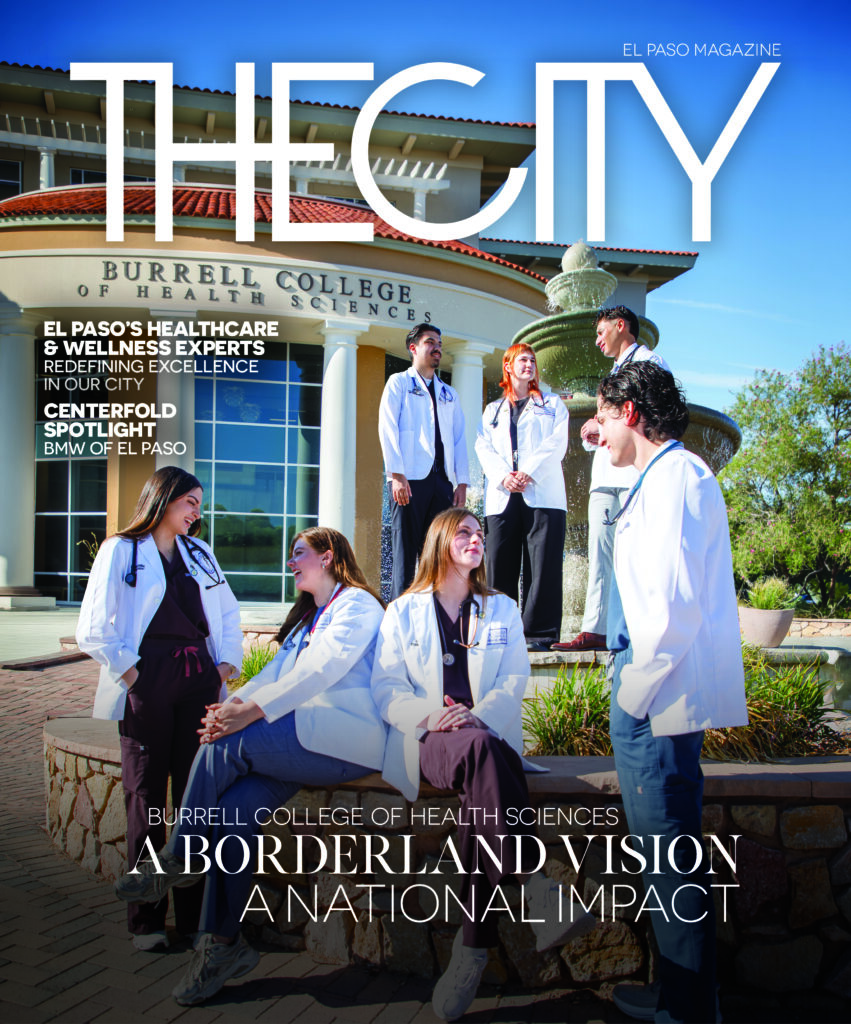
Across our Borderland, the future of health care is being written by a new generation of physicians — individuals whose ambitions are shaped not only by their education, but by the communities they call home, the families who inspire them and the patients they hope to serve.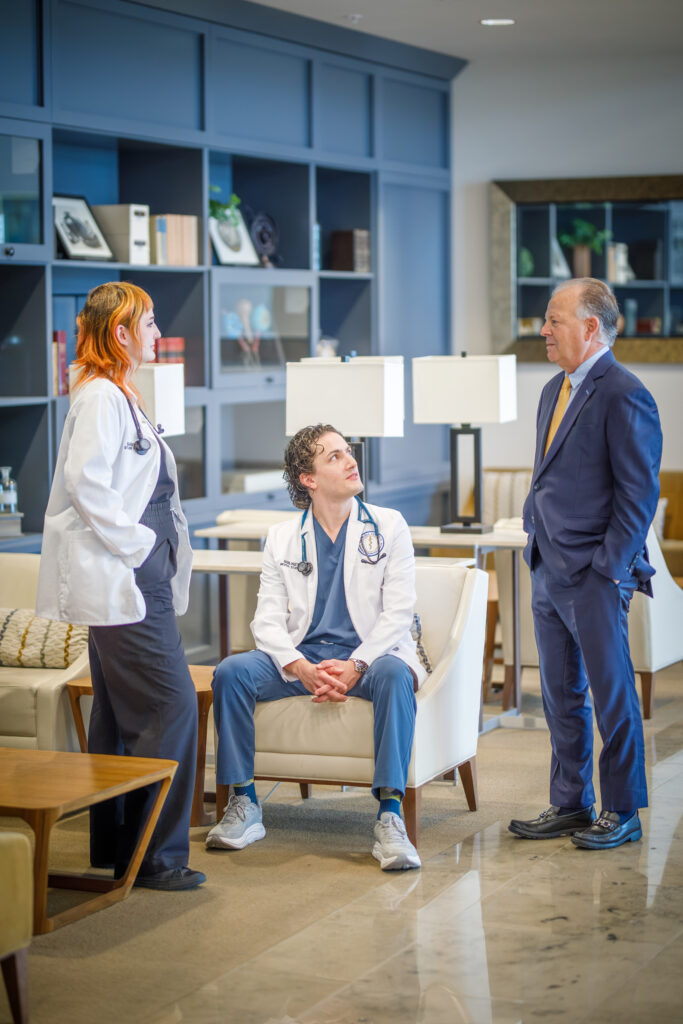
Just north of El Paso, in neighboring Las Cruces, New Mexico, Burrell College of Health Sciences is helping prepare that future. What began as a private medical school dedicated to osteopathic medicine has grown into a broader health sciences institution with an expanding educational mission, a growing network of clinical partnerships and a commitment to improving health care access in underserved communities.
For the El Paso-Las Cruces region, the college’s story is especially meaningful. Our Borderplex is not just a geographic designation; it is a deeply connected community of residents, families, businesses and health care systems that share many of the same opportunities and challenges. Preparing the next generation of health care professionals is an invaluable investment in that shared future.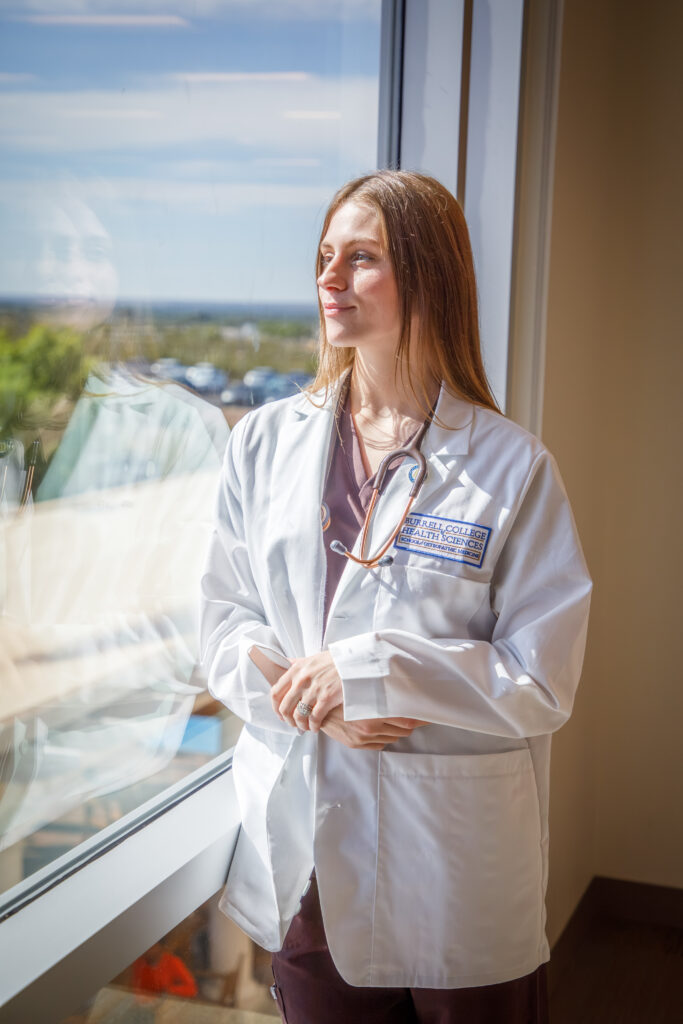
And for Burrell College President and CEO John Hummer, the relationships that have made this journey possible are central to the institution’s identity.
“We are deeply grateful to the physicians, hospitals, healthcare leaders, and civic organizations throughout El Paso and Las Cruces who have supported Burrell College since our inception. Their partnership has helped provide meaningful learning and clinical opportunities for our students and has strengthened our ability to fulfill our mission. The Borderplex has been an important part of the Burrell College story from the beginning, and we are proud of the relationships we have built and the shared commitment to improving healthcare throughout this region.”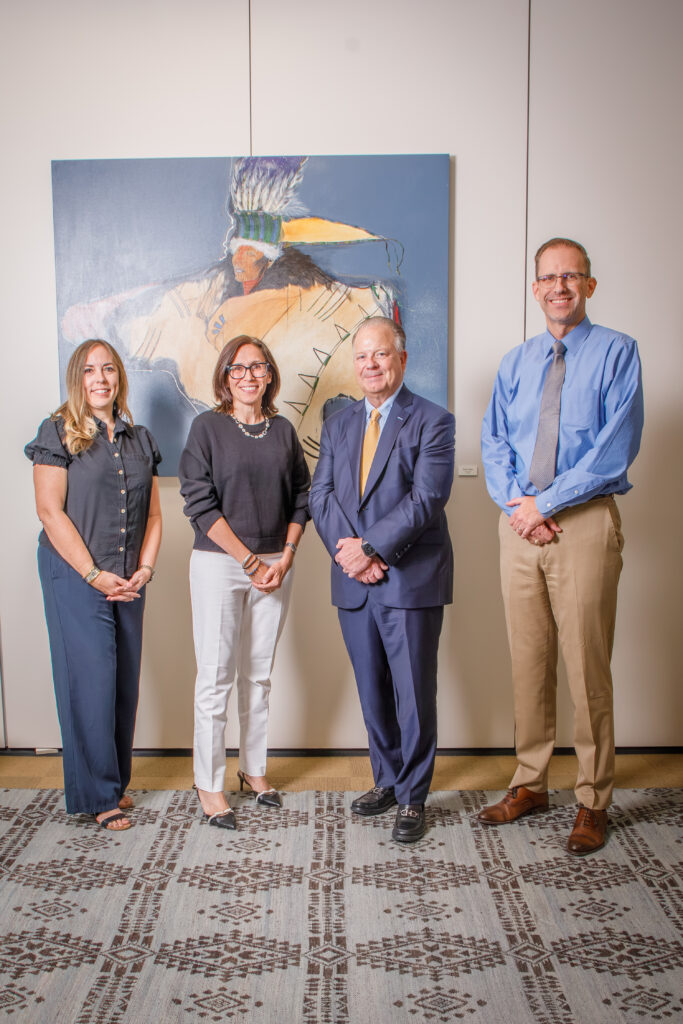
His words underscore a defining principle of Burrell College: preparing physicians is not a responsibility that begins and ends in a classroom. It is a collaborative effort involving educators, practicing physicians, health care institutions, community leaders and the people whose lives will ultimately be affected by the next generation of medical professionals.
Founded in 2013 as Burrell College of Osteopathic Medicine, the school welcomed its first class in 2016 and celebrated its first physician graduates in 2020. In 2024, it expanded its reach with the opening of a campus in Melbourne, Florida.
In 2026, another milestone marked the college’s evolution. Adopting the name Burrell College of Health Sciences, the institution broadened its academic scope to encompass two schools: the Burrell College School of Osteopathic Medicine (BCSOM) and the Burrell College School of Health Professions (BCSHP).
The change reflects an aspiration that extends beyond simply educating physicians. As the health care landscape grows increasingly complex, the need for a highly trained, collaborative workforce continues to grow. Burrell College is responding by creating additional avenues for students who want to contribute to patient care and scientific advancement.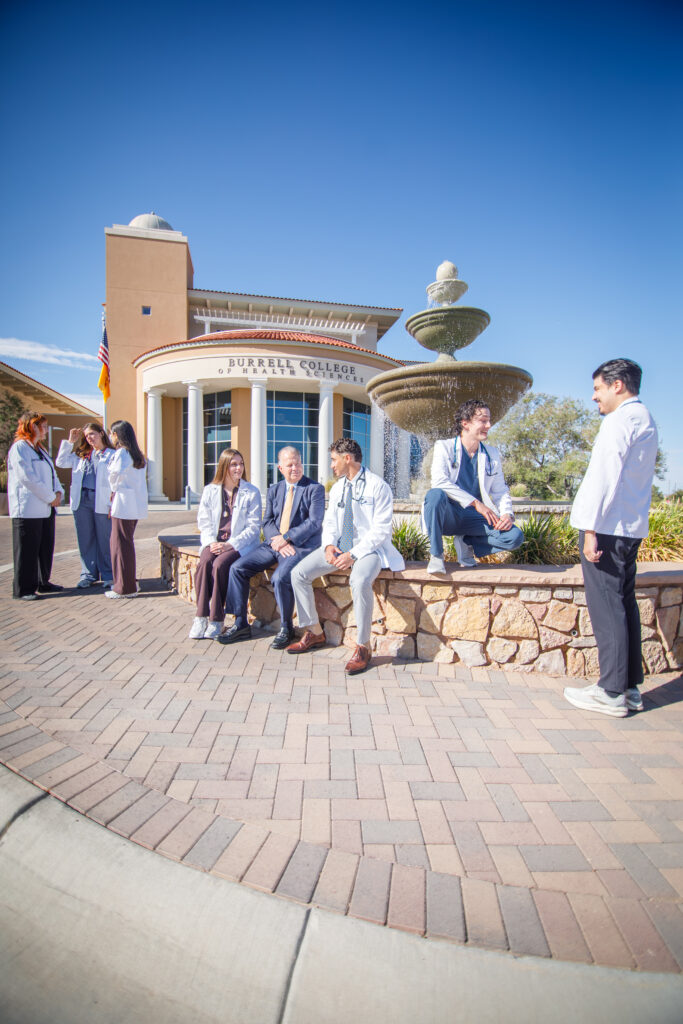
“This is an exciting time in the evolution of Burrell College,” Hummer says. “We began with a focus on osteopathic medicine, and today we are growing into a comprehensive health sciences college. With the expansion of our School of Health Professions and new programs in anesthesia and biomedical sciences, we are preparing to educate an even broader healthcare workforce, while remaining firmly committed to our mission of improving access to care in underserved communities.”
The new School of Health Professions is scheduled to welcome its first class of students in January 2028 and will offer a Master of Health Sciences in Anesthesia (MHSA) and a Master of Biomedical Sciences (MBS). For prospective students, the expansion represents additional opportunities for careers in health care. For the region, it signals a continued investment in the education and expertise that support a strong health care ecosystem.
At the center of Burrell College’s educational philosophy is osteopathic medicine, an approach that emphasizes holistic, whole-person care, prevention and the interconnectivity of the body’s systems. Doctors of osteopathic medicine, or DOs, receive comprehensive medical education and training comparable to that of doctors of medicine, or MDs. Both are fully licensed physicians who complete medical school and residency training and may practice in every medical specialty.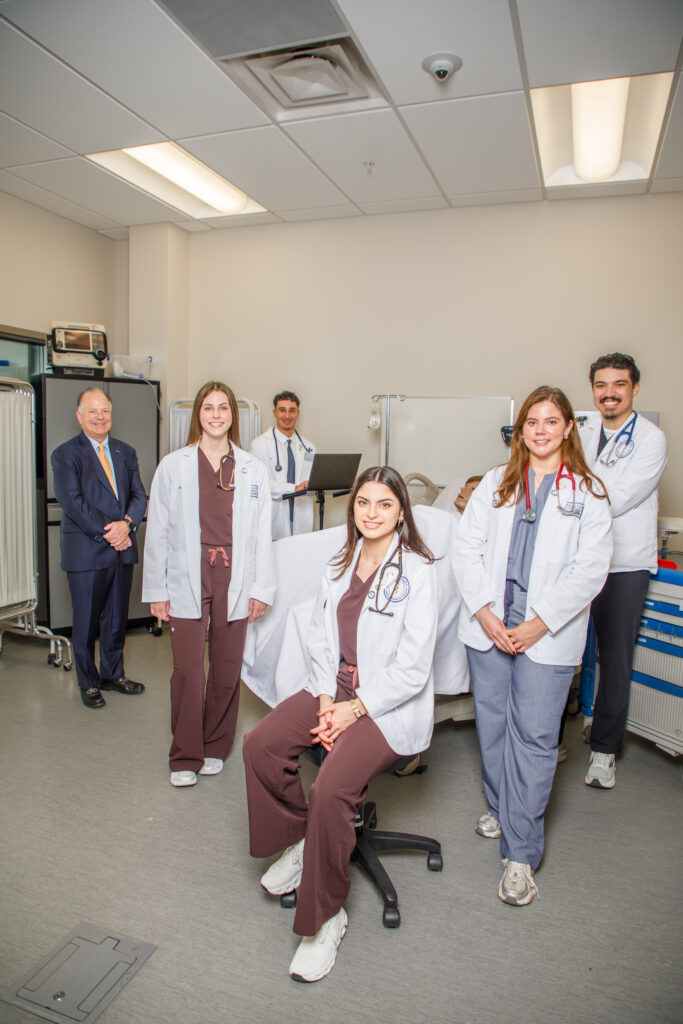
Osteopathic medical education adds a particular emphasis on the musculoskeletal system and osteopathic manipulative treatment (OMT), a hands-on approach that may be used as part of a patient’s care. More broadly, the philosophy encourages physicians to consider how physical health, lifestyle, environment and overall well-being intersect.
It is an approach that resonates with students who see medicine as both a science and a deeply personal responsibility. For Andre Prieto, an El Paso resident and third-year student physician at Burrell College, the decision to pursue medicine has been an eight-year journey toward a goal rooted in service to his hometown.
“This has been an eight-year journey for me, and every step has brought me closer to the goal of becoming a physician. I’m from El Paso, and I want to give back by caring for the people in the community that raised me and throughout the surrounding region. I chose Burrell College because its osteopathic philosophy resonates with me — treating the whole person and supporting the body’s natural ability to heal.”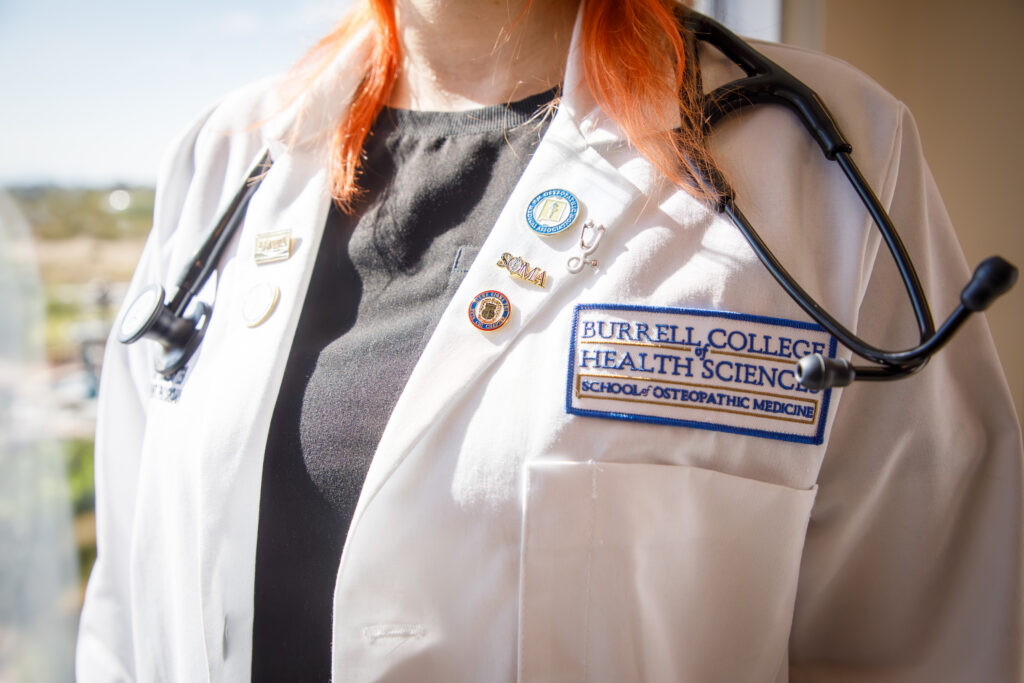
Prieto’s story reflects the connection between personal purpose and professional preparation. For students who hope to return to the communities that shaped them, medical education is more than a credential. It is a path toward making a meaningful difference close to home.
His perspective also highlights why the relationship between Burrell College and El Paso matters. The next generation of physicians is already developing its skills in the region, building the foundation for careers that may ultimately serve the same communities where those ambitions began.
Alessandro Vasquez, a Las Cruces resident and second-year student physician at Burrell College, has spent 17 years watching his community grow. His decision to pursue medicine was shaped in part by directly experiencing the consequences of a shortage of physicians.
“Las Cruces has been home to my family and me for the past 17 years, so I’ve seen firsthand the impact a physician shortage can have on a community. That experience is a big part of why I want to pursue family medicine. I want to care for people of all ages and, ultimately, give back to the community that has given so much to my family. I know the need is here, and I hope to be part of the solution.”
Vasquez’s desire to serve Las Cruces illustrates the potential of medical education to help address local needs by preparing students who authentically understand those needs.
For another student, the path to medicine began with a personal understanding of how compassionate care can affect an entire family.
Sarah Goldstein, a second-year student physician at Burrell College, recalls how her mother’s frequent illnesses shaped her understanding of health care. Later, working as an emergency medical technician and gaining experience in emergency rooms helped affirm her calling.
“My desire to become a physician was shaped by both personal experience and hands-on exposure to healthcare. Growing up with a mother who was frequently ill, I saw how much a compassionate and attentive healthcare team can mean not only to a patient, but to an entire family. Later, my experience as an EMT and in emergency rooms confirmed that medicine was where I belonged. I want to provide others with the same sense of care, comfort and trust that made such a difference for my family.”
The college’s educational outcomes suggest that its reach already extends well beyond southern New Mexico.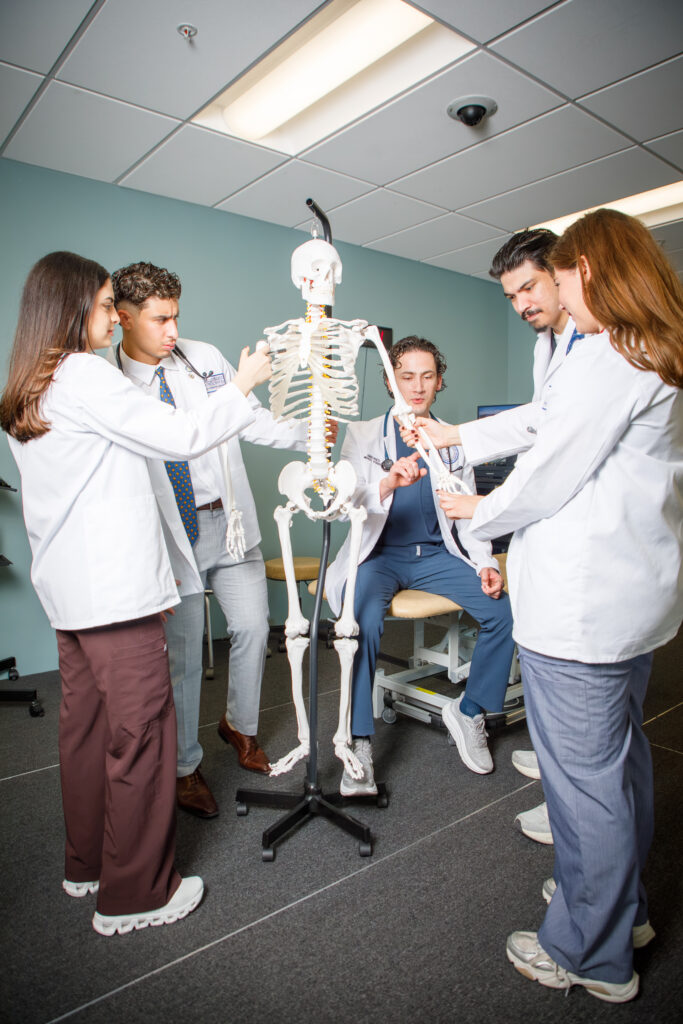
According to figures provided by Burrell College, its School of Osteopathic Medicine has produced 1,030 physician graduates between 2020 and 2026 and reports a 99.7% graduate medical education (GME) placement rate. GME placement generally refers to the process of securing a position for postgraduate training, such as a residency, and serves as an important milestone in the journey from student to practicing physician.
The college reports that 65% of its graduates entered family medicine, internal medicine, pediatrics, psychiatry and obstetrics and gynecology — fields that serve fundamental health care needs across communities and generations. Its graduates have also secured placements in competitive specialties, including neurosurgery, ophthalmology, orthopedic surgery, dermatology, urology, vascular surgery and general surgery.
Behind these outcomes is an extensive network of more than 1,050 physician preceptors and 10 regional academic centers in Albuquerque, New Mexico; Brooklyn, New York; eastern New Mexico; El Paso, Texas; the Four Corners region; Tucson, Arizona; Space Coast, Florida; Southwest Florida; and Palm Beach, Florida. The college also reports more than 43,000 student volunteer hours, reflecting a commitment to community engagement alongside academic preparation.
“Our students and graduates are making a meaningful impact within our Borderplex community and across the nation,” Hummer says. “With more than 1,000 physician graduates, a 99.7 percent graduate medical education placement rate, and alumni serving in specialties ranging from primary care to neurosurgery and ophthalmology, Burrell College is helping build the healthcare workforce our communities need. What makes us especially proud is that our students carry our mission of service with them wherever they go.”
Burrell College’s influence is not limited to education and clinical training. Like other growing academic institutions, it also contributes to the economic life of its surrounding communities. Figures supplied by the college show $23.8 million in direct payroll and $27.8 million in spending within its mission region between July 2025 and June 2026. Construction spending since the institution’s inception has totaled $49.7 million.
Those investments support a broader network of economic activity, from employment and professional services to construction and regional spending. They also underscore the role that higher education can play in strengthening a community beyond its immediate academic mission.
“Burrell College’s impact extends well beyond the classroom,” Hummer says. “We are an educational institution, an employer, a community partner and an economic driver. Through payroll, regional spending and nearly $50 million in construction investment since our inception, we are contributing to the strength and vitality of the communities we serve, while creating opportunities that support long-term growth.”
The college’s academic standing is another important element of its development. Its School of Osteopathic Medicine holds accreditation from the American Osteopathic Association’s (AOA) Commission on Osteopathic College Accreditation (COCA) at the highest level, Ten Years with Exceptional Outcomes.
Together, the institution’s educational outcomes, regional partnerships and economic activity paint a picture of a college whose influence extends into multiple dimensions of community life. For El Paso, recognizing that impact means looking beyond the state line to a neighboring institution with connections to the region’s health care workforce and future growth.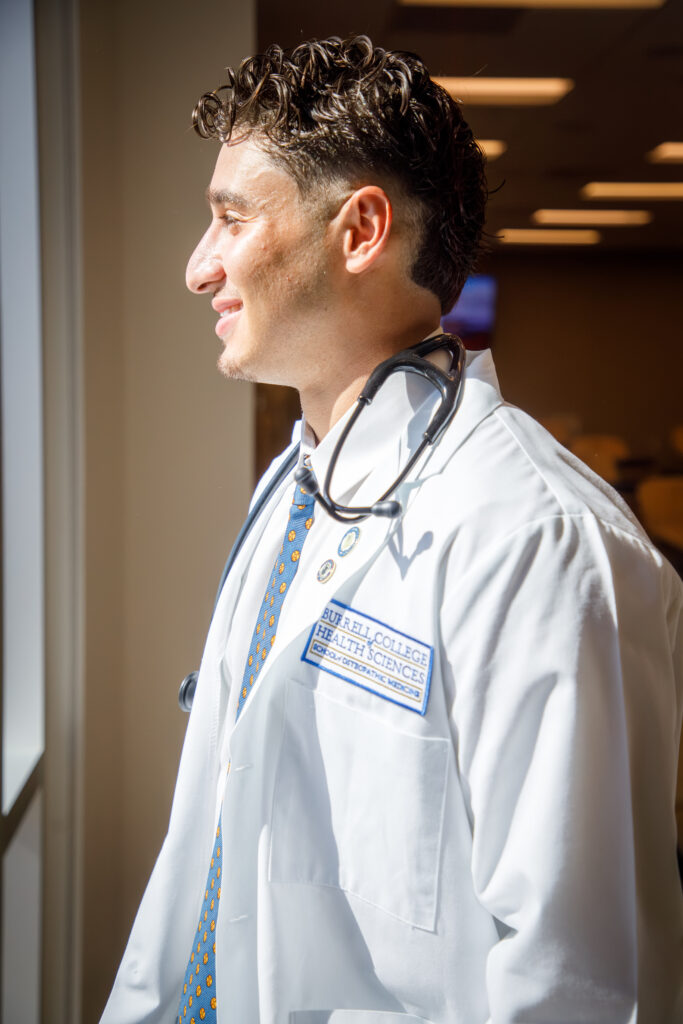
Burrell College has made physician workforce diversity a central part of its mission. According to its 2025 figures, the School of Osteopathic Medicine ranked first nationally among osteopathic medical schools for the percentage of underrepresented minority medical students, at 36%, compared with a reported national average of 14% across DO and MD medical schools. That distinction reflects an institutional emphasis on preparing a physician workforce that more closely represents the diversity of the populations it serves.
In our region, where communities are connected by a rich mix of cultures, experiences and family histories, representation is an important part of the broader conversation about health care. Patients bring different circumstances and perspectives into the examination room. Physicians who listen carefully, communicate clearly and approach each patient with respect help foster relationships that are essential to effective care. A more inclusive medical workforce also means expanding the range of people who can see a future for themselves in medicine.
More than a decade after its founding, Burrell College of Health Sciences stands at a significant point in its evolution. With established osteopathic medical programs, a campus in Florida, a growing regional clinical network and new health professions programs on the horizon, the institution is expanding its reach while maintaining its stated commitment to underserved communities. Ultimately, this is a story about the relationship between education and service, and what happens when an institution prepares students not only to pursue careers but also to respond to a need.
For the El Paso-Las Cruces region, that mission carries a distinctly local meaning. The two communities share a regional identity, and their futures are connected in ways that extend into health care, education and economic opportunity. The physicians of tomorrow are already taking shape in classrooms, clinical settings and community experiences throughout the region. Some will pursue family medicine. Others will enter highly specialized fields. Many will carry the lessons of their education into communities far beyond New Mexico, while others may find their calling close to home. What unites them is the opportunity to make a vital and meaningful difference in the lives of the people they serve.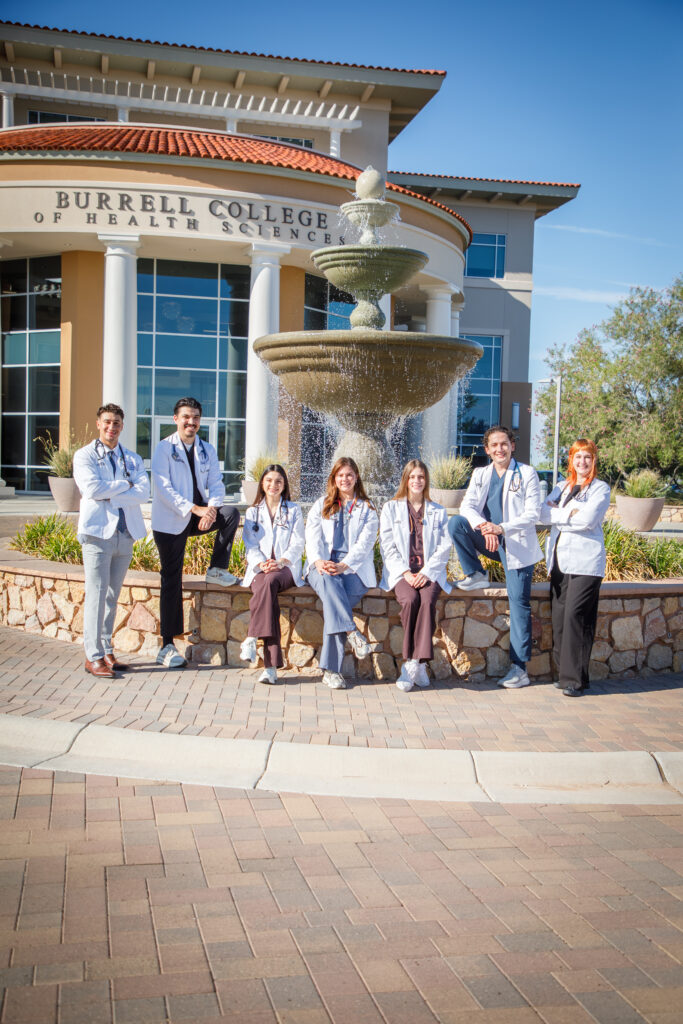
For Hummer and the institution he leads, that is the larger purpose behind the college’s continued growth: preparing a health care workforce that can meet the needs of a changing world without losing sight of the individual patient. For our Borderplex, it is a story worth telling — a story of ambition grounded in community, education shaped by compassion and a shared vision for a healthier future.
The true measure of a medical institution is not only what it builds, but what its graduates set out to accomplish. In Las Cruces, that future is already in motion, and its impact has the potential to reach far beyond the classroom, across our region and into the lives of those who will one day lean on the next generation of health care professionals.