Brown Street Market preserves a century of culture in El Paso
Brown Street Market stands as more than a place where goods are exchanged; it serves as a crossroads where cultures converge and community has endured for decades.
A Century of Heritage
The century-old staple in Central El Paso, located at 1207 Brown St., was founded as a Chinese grocery store between 1912 and 1914. It was operated by two unidentified Asian immigrant brothers who arrived in El Paso through railroad construction.
For over half of that century, Charlie Mansour owned and operated the historic two-story building, selling Middle Eastern food items, spices and kitchen products. Mansour, a Lebanese immigrant who came to El Paso through Mexico, bought Moon Grocery and transitioned the shelves to feature Mediterranean and Middle Eastern imports. To retain Mansour’s customer base, Monico still carries many of the Middle Eastern products Mansour sold before Moon Grocery closed in August 2020. 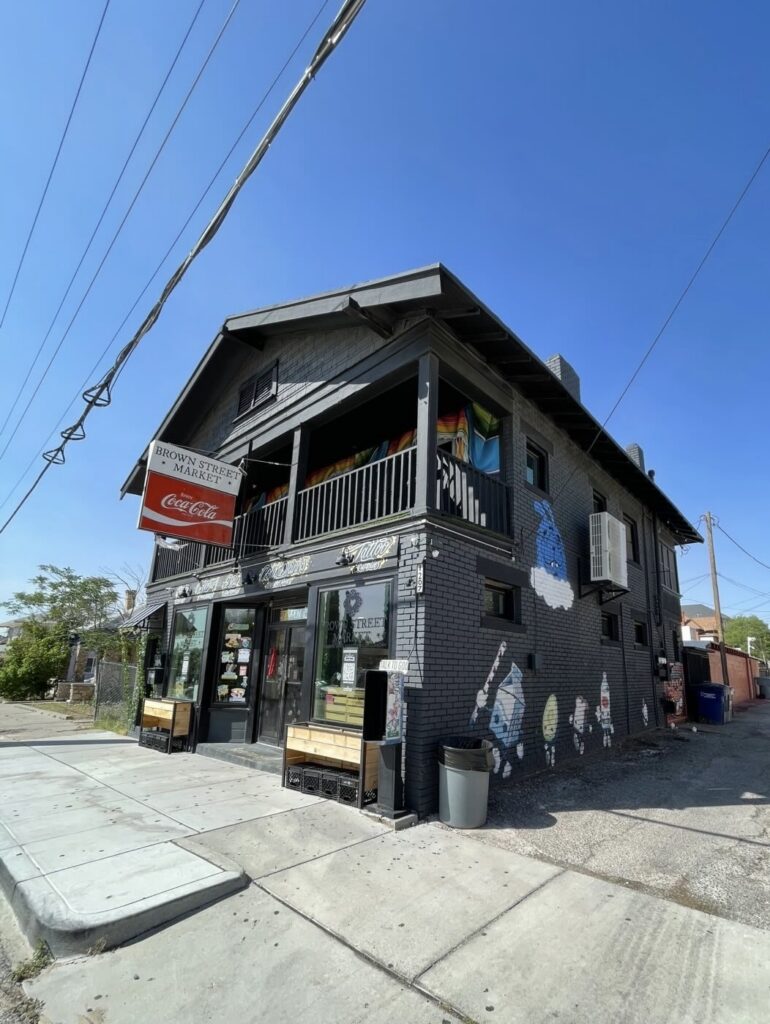
Passing the Torch
While looking to expand their business, Rebecca and Monico Acuña purchased the store in 2020, answering a community need that could help other local businesses through the COVID-19 pandemic.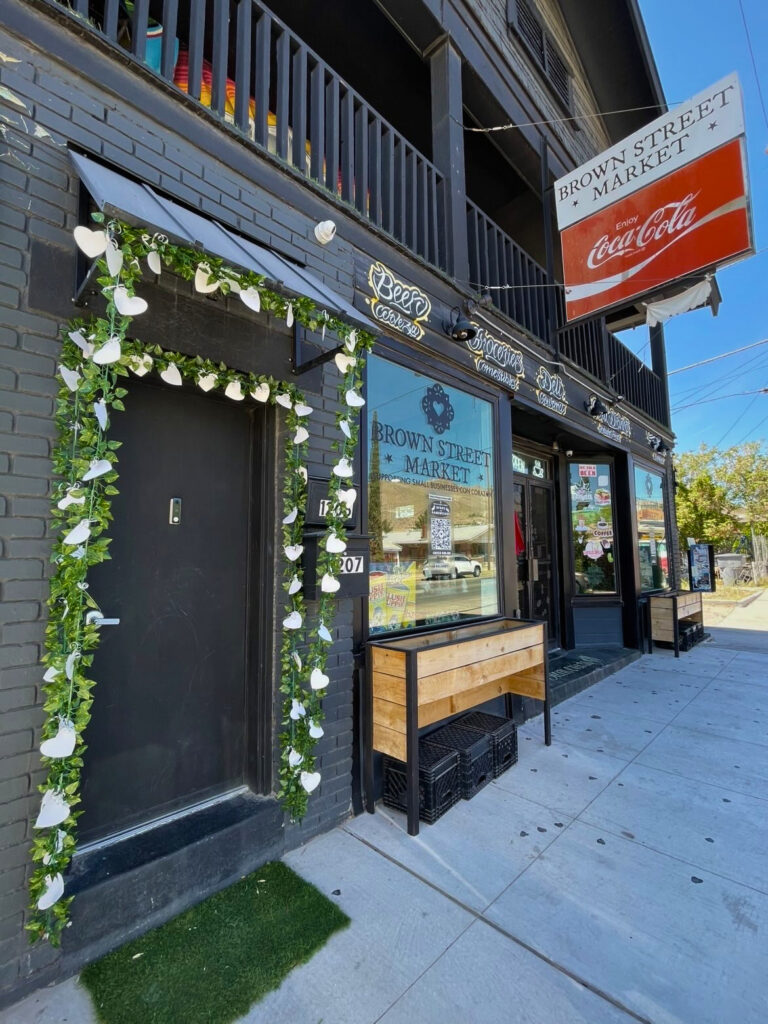
“When we first looked at purchasing this business, it was a Mediterranean import store, and we said, ‘Let’s buy this place.’ We found it just by driving by. Charlie said, ‘It’s for sale, but I’m not selling it.’ His heart was still in it as well, and so we befriended him and he decided to sell it to us,” Acuña said.
The El Pasoan couple purchased the building and its legacy, keeping the neighborhood store zoning alive while transforming it into a modern artisan store with a “bodega” feel.
“What we ended up buying was a neighborhood legacy,” Acuña said. “It’s been here for a very, very long time.”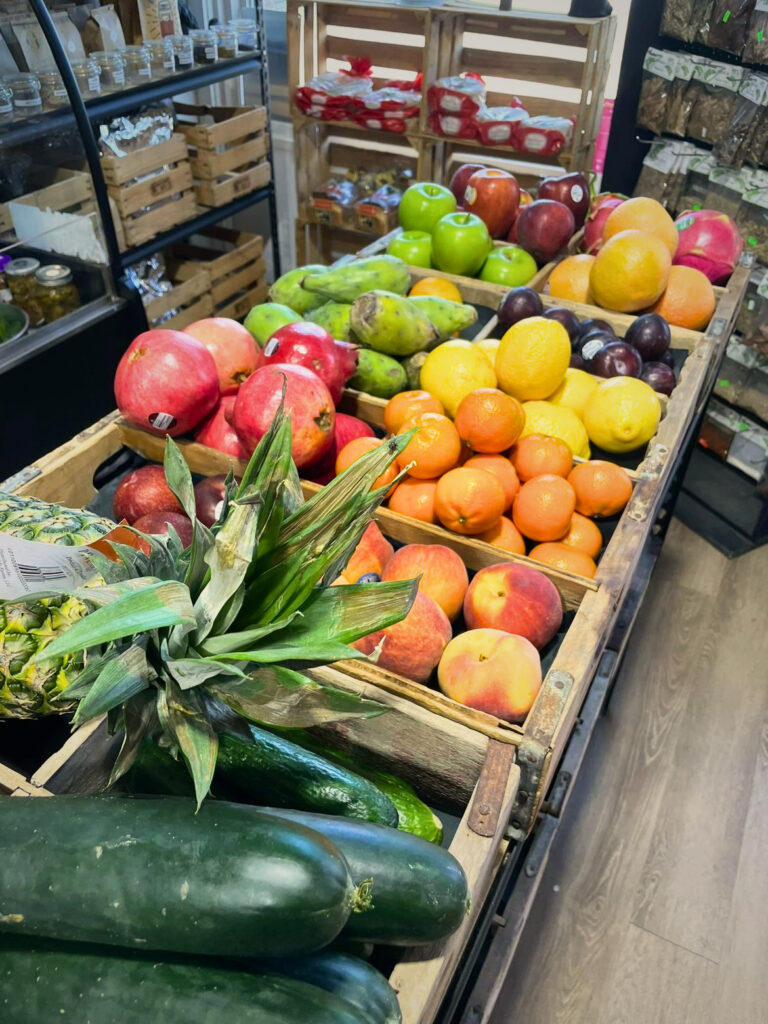
A Multinational Flavorscape
The evolution of Brown Street Market into a modern, multinational tiendita reflects El Paso’s diverse cultural identity. Blending Indigenous and local Tex-Mex roots with Middle Eastern and Asian influences, the store reflects El Paso’s mix of cultures through its groceries, deli menu and neighborhood history.
“What drives this building is the culture that it was before we bought it,” Acuña said. “We bought a culture and we are adding our history into that culture, including the rest of the El Paso culture into this building.”
The Acuñas answer modern community needs by offering traditional Middle Eastern and Hispanic groceries alongside items such as artisan hemp products and professional tattoo supplies. They also operate a deli counter that serves a menu featuring Mediterranean, Asian and Hispanic flavors. Step into the store and you are greeted by a visual feast: freshly squeezed coconut limonada, stuffed grape leaves and gyros made with house-made tzatziki sauce.
“We are still learning a lot about the actual grocery store business,” he said. “But what we learned a lot about was community.” This is a community building; people come in here and they tell us stories about when they were young. Elderly people coming in, saying they used to be stock boys when they were 12, who lived across the street.”
The Philosophy of Success
Monico’s entrepreneurial spirit embraces challenge, which he says is the key for any business to survive and comes from what he’s seen older generations endure.
“I see kids walking around with shoelaces as belts and that’s the style,” he said. “That style came from their grandparents that wore shoelaces because they couldn’t afford belts. They had to accept the challenge of wearing that. Accepting challenges makes you tough. I think in order to survive in any business, you have to be tough. Challenge accepted is when you stub your finger with a hammer and continue going.”
Monico’s entrepreneurship, however, isn’t just about embracing challenges; it’s deeply rooted in a philosophy of discipline and perseverance.
“Having discipline is what it takes to be successful,” he said. “If you’re going to run a successful business, do it. Don’t be afraid of smashing your finger, accept the challenge, and deal with the consequences in a way that you don’t have to again.”
Brown Street Market’s changes teach the value of community-centered adaptation. “Everything is evolving,” he said. “The cool thing is everything evolves right back to where it was.”
By blending historic roots with modern offerings, the Acuñas’ approach shows how small businesses can remain relevant by serving as cultural hubs for the community rather than just transaction points. The store serves as an accessible neighborhood lifeline, retaining the loyalty of multigenerational families who have shopped there for decades.